
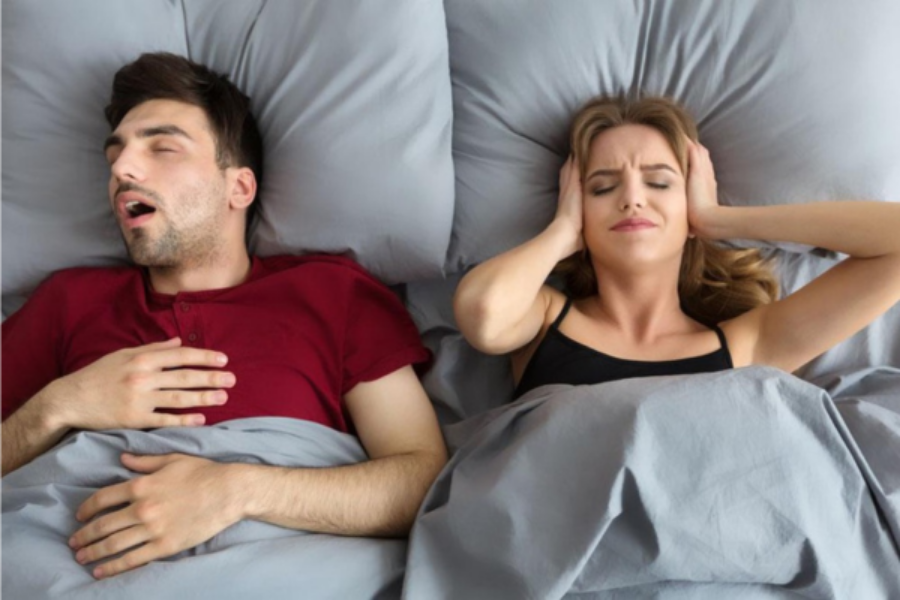
Snoring is so common that most people regard it as a harmless quirk, something to tease a partner about over breakfast. The truth is, loud, habitual snoring can be a sign of something that needs more attention. If you snore every night and it is affecting the quality of your sleep, it may be more than just a sleep habit.
Over time, chronic snoring can wear down your sleep quality, your daytime energy, and even your long-term health. In many cases, it is tied to obstructive sleep apnea, a condition in which breathing repeatedly stops and starts during sleep. The team at C/V ENT Surgical Group helps patients in and around West Hills and Encino understand the causes of their snoring and how to treat it. Learning the difference between ordinary snoring and a sleep-related breathing problem is a good first step toward getting better rest.
What Causes Snoring During Sleep?
Snoring occurs when the air passage through the nose and throat is blocked during sleep. As you breathe, air passes over the soft tissues in the airway, causing them to vibrate. And that vibration is what gives the familiar rattling or rumbling sound. If airflow is restricted, snoring is likely to be louder.
Many of the most common causes of snoring trace back to the shape and condition of your airway. Enlarged tonsils, a blocked nose, and relaxed throat tissues can all narrow the space that air needs to pass through. Snoring may also worsen with age, weight gain, or sleeping flat on your back, since each of these reduces the space in your airway. Loud snoring every night may have an underlying cause, which is why simple fixes don’t always work.
Also Read: Snoring? Why Do Some People Do It and What Causes It
Signs Your Snoring Could Be a Medical Concern
Not all snoring is a problem, but there are some patterns you should be aware of. If you snore loudly every night and have other symptoms, then it’s important to consult a doctor because it could be a sleep disorder rather than a passing habit. Here are some symptoms and warning signs of sleep apnea that you should take a closer look at:
- Loud snoring night after night that disrupts your sleep or your partner’s
- Gasping, choking, or noticeable pauses in breathing during sleep
- Waking up tired even after a full night in bed
- Morning headaches, dry mouth, daytime fatigue, irritability, or trouble focusing
A bed partner often notices these signs before you do. Reports of long silent pauses followed by a sudden gasp are some of the clearest signs your snoring may be linked to obstructive sleep apnea. If several of these patterns sound familiar, it makes sense to ask whether your snoring deserves a medical evaluation.
The Difference Between Simple Snoring and Sleep Apnea
When the airway stays open, breathing continues normally, and the tissues vibrate to make noise, which is simple snoring. It can be disruptive, but it doesn’t upset the smooth flow of air. This is how many people snore without having any major health problems. This can be annoying, but your body still receives the oxygen that it requires.
Obstructive sleep apnea is a little different. Here, the airway collapses or is briefly blocked, resulting in short pauses in breathing. These interruptions can occur many times an hour and bring you out of deep sleep without fully waking you. If left alone, this pattern can lead to some health risks over time. This is one of the main reasons constant snoring should not be ignored. A professional evaluation at C/V ENT Surgical Group can assist you in determining which type you are dealing with.
Common ENT-Related Conditions That Can Contribute to Snoring
Snoring often has a physical cause that an ear, nose, and throat specialist can identify. Many of these conditions involve structures in the nose or throat that quietly narrow the airway. Looking at the causes of chronic snoring and sleep apnea through an ENT lens helps connect your symptoms to their source.
- A deviated septum or chronic nasal blockage that limits airflow through the nose
- Enlarged tonsils or adenoids that crowd the throat
- Nasal polyps and ongoing sinus inflammation
- A soft palate or throat tissues that collapse, plus a tongue position that narrows the airway during sleep
These issues can show up on their own or overlap, which is why two people who snore may need very different care. Pinpointing the exact structure involved guides the right treatment plan. This is also where an in-person exam offers value that no home remedy can match.
Also Read: Does Snoring Mean I Have Sleep Apnea? Warning Signs and Risk Factors
Health Risks Associated With Untreated Sleep Apnea
When sleep apnea goes untreated, the effects reach well beyond a noisy night. Repeated drops in oxygen and broken sleep can strain the body in ways that build up slowly and quietly. People often wonder whether snoring can affect their overall health, and the honest answer is that the apnea behind it certainly can.
- Poor sleep quality and ongoing daytime fatigue
- A higher risk of high blood pressure and heart disease
- Problems with memory, focus, and mood
- Possibility of accidents caused by drowsiness on the road or at work
That doesn’t mean snoring equals a serious outcome. It just explains why early diagnosis is important and why it is worth getting a check if you have a regular pattern of symptoms. The earlier a problem is caught, the easier and more comfortable it is to treat later.
How C/V ENT Surgical Group Evaluates Snoring and Sleep Apnea
A thorough ENT evaluation for chronic snoring usually begins with a discussion of your sleep, symptoms, and medical history. The physician then examines the nose and throat to look for blockages, swelling, or structural concerns. This hands-on exam helps show whether your anatomy is adding to the noise and the interrupted breathing.
A sleep study measures the frequency of breathing pauses during the night when necessary. This is essential to how physicians diagnose sleep apnea based on snoring symptoms. Imaging or a more thorough airway assessment may provide a more complete picture. Then the care team creates a diagnosis based on your specific symptoms and sleep patterns.
Treatment Options for Chronic Snoring and Sleep Apnea
There is no single fix that works for everyone, so the treatment options for loud snoring and breathing interruptions are matched to the underlying cause. For milder cases, lifestyle changes such as managing your weight, adjusting your sleep position, and limiting alcohol before bed can make a real difference. These steps are often the starting point before anything more involved.
For obstructive sleep apnea, CPAP therapy uses gentle pressure to keep the airway open throughout the night, while oral appliance therapy suits select patients who prefer a smaller device. When a physical blockage is the issue, surgical and minimally invasive ENT procedures can improve airflow and reduce obstruction. If you are wondering what treatments are available for chronic snoring, the answer really depends on what your evaluation finds. C/V ENT Surgical Group offers a range of these options under one roof.
When to Schedule an Evaluation for Snoring
It can be hard to know when snoring should be medically evaluated, especially once the sound has become part of your nightly routine. A helpful rule is to pay attention to both how often it happens and how much it affects you. Knowing when nightly snoring could signal a sleep disorder often comes down to a few clear cues, such as snoring that happens most nights or keeps getting worse, witnessed pauses in breathing, and heavy daytime tiredness.
It is also worth acting when snoring begins to strain your relationships, your work, or your general quality of life. If one or more of these apply to you, scheduling an evaluation is a sensible next step, and there is no need to wait until things feel severe.
Also Read: Know When To Visit An ENT Doctor For Ongoing Snoring
Conclusion
Snoring that happens night after night can be more than a quirk of sleep. In some cases, it is a warning sign of an underlying sleep disorder that affects both your rest and your long-term health. Listening to that signal, rather than tuning it out, puts you in a stronger position to protect your well-being.
Proper diagnosis can improve your sleep quality and reduce the health risks associated with untreated apnea. If your snoring fits the patterns described here, the team at C/V ENT Surgical Group can help with evaluation and sleep disorder treatment built around your needs. Contact C/V ENT Surgical Group at our Encino or West Hills location to get started on a clear, practical plan for quieter nights and better days.