
Understanding Sleep Apnea: From Snoring to Serious Health Risks
For many, a little bit of snoring is just a nightly annoyance, a simple quirk of sleep. Yet, what sounds like harmless rumbling can often be the first and most obvious warning sign of a potentially dangerous medical condition: sleep apnea. This disorder is often misunderstood and dangerously overlooked, dismissed as mere noisy sleeping. In reality, what is sleep apnea? It is a serious condition where breathing repeatedly stops and starts during sleep. These pauses, which can occur dozens or even hundreds of times an hour, lead to poor-quality, fragmented rest and, most critically, dangerous drops in blood oxygen levels.
Distinguishing ordinary snoring from a potentially dangerous sleep disorder is important. While simple snoring is just the sound of air passing over relaxed tissues, sleep apnea involves a complete or partial collapse of the airway. Emphasizing how early recognition can prevent serious health complications is paramount. Failure to address this condition can put major strain on the cardiovascular system and negatively impact nearly every aspect of health. Who is most at risk? Generally, middle-aged men, overweight adults, and people with structural issues like nasal obstruction are at a higher risk, but it can affect anyone.
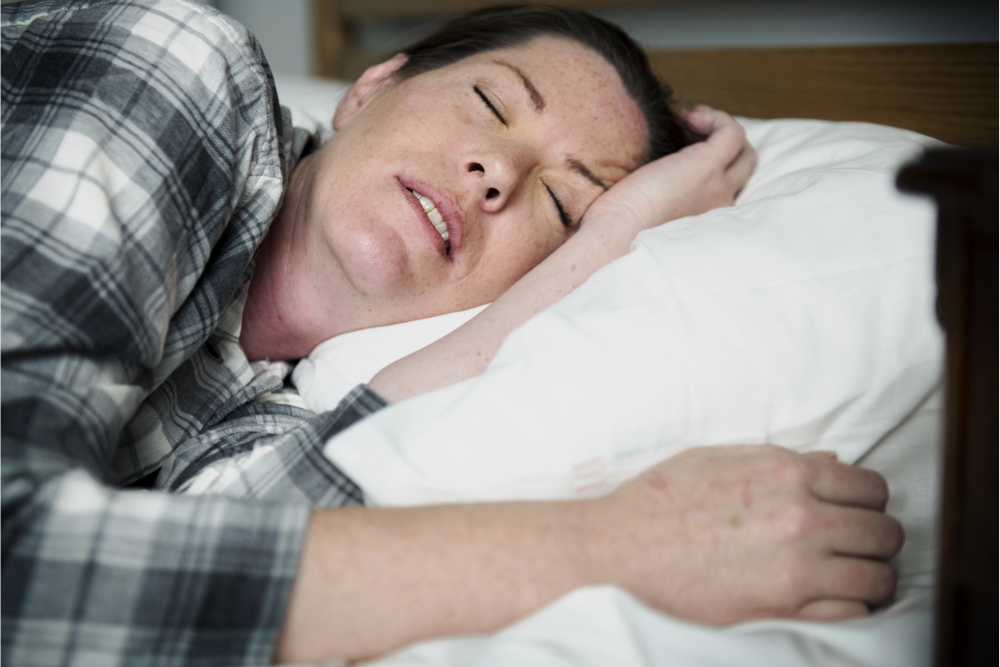
At C/V ENT Surgical Group, we specialize in diagnosing and treating sleep apnea at its source. Our board-certified ENT surgeons combine advanced airway imaging, minimally invasive procedures, and personalized treatment plans to restore natural breathing and protect long-term health. Whether symptoms have just begun or have persisted for years, expert intervention can transform your sleep and your overall well-being.
What Is Sleep Apnea?
Sleep apnea is medically defined as a condition where breathing repeatedly stops during sleep. These stoppages, or apneas, last from a few seconds to more than a minute. The body registers the drop in oxygen, causing a brief, often unnoticed, wake-up call to resume breathing.
This cycle leads to fragmented, poor-quality sleep, even if the individual is technically sleeping for eight hours.
There are two main types of sleep apnea:
Obstructive Sleep Apnea (OSA):
By far the most common, obstructive sleep apnea is caused by a physical blockage, usually when the soft tissue in the back of the throat collapses and occludes the airway.
Central Sleep Apnea (CSA):
Less common, CSA is caused by a disruption in the brain’s signaling process. The brain temporarily fails to send the necessary signals to the muscles that control breathing.
It is also important to introduce the term “hypopnea.” This refers to a partial airway collapse that significantly reduces airflow (by 30-50%) but does not fully stop it. Both apneas and hypopneas are counted to determine the severity of the condition. Explain how pauses in breathing lead to fragmented, poor-quality sleep: Each apnea/hypopnea event forces the sleeper out of deep, restorative sleep (Stages 3 and 4) into light sleep or a brief state of wakefulness, resulting in chronic fatigue.
Common Symptoms and Warning Signs
The signs of sleep apnea are often noticed by a bed partner first, but many symptoms manifest as persistent issues during waking hours. Do I have sleep apnea? Reviewing this checklist can help answer that question:
- Loud, chronic snoring that disturbs others. This is the hallmark sign of sleep apnea.
- Gasping or choking sounds during sleep. This indicates the person has momentarily woken up to force air past the obstruction.
- Excessive daytime sleepiness (hypersomnia), often leading to involuntary naps.
- Morning headaches or dry mouth upon waking.
- Trouble concentrating, poor memory, or decreased productivity.
- Mood changes, irritability, or symptoms of depression.
Mention of symptoms in bed partners is also critical; fatigue from disturbed sleep is often a consequence of sleeping next to someone with untreated sleep apnea. If you notice these sleep apnea symptoms, it is time to seek professional help.
Also Read: ENT Treatments That Can Improve Your Sleep Quality Naturally
Risk Factors and Causes
Understanding the causes of sleep apnea involves looking at both anatomical predisposition and lifestyle choices:
- Structural Issues: These are physical elements that restrict the airway. They include a narrow airway, enlarged tonsils, a large tongue, nasal obstruction (such as chronic allergies or polyps), and a deviated septum.
- Lifestyle Factors: Obesity is one of the most significant risk factors, as excess tissue around the neck can compress the airway. Alcohol use and smoking relax the throat muscles, increasing the likelihood of collapse, as do sedative medications.
- Age and Gender Differences: While anyone can be affected, sleep apnea is higher in men and postmenopausal women. The prevalence also increases with age.
- Family History and Genetic Predispositions: A family history of sleep apnea can increase your risk, suggesting a genetic component to airway shape or muscle tone.
- Sleep Position and Upper Airway Anatomy: Sleeping on the back often worsens OSA due to the effects of gravity on the tongue and soft palate.
Why Sleep Apnea Is a Serious Health Risk
Sleep apnea is more than a sleep problem; it is a major health threat. Failure to pursue sleep apnea treatment in West Hills can lead to significant long-term complications. Here are the key sleep apnea health risks and sleep apnea complications:
- Cardiovascular Strain: Sleep apnea and heart disease are closely linked. The repeated drops in oxygen and surges in blood pressure during apneic events put immense strain on the heart, leading to increased risk of high blood pressure (hypertension), stroke, heart attack, and atrial fibrillation.
- Metabolic Impact: Sleep apnea and weight gain often create a dangerous cycle. Untreated apnea is linked to insulin resistance and an increased risk of type 2 diabetes. The resulting fatigue also makes exercise and weight management far more difficult.
- Neurocognitive Effects: Chronic fatigue, poor focus, and memory issues directly impact work, school, and daily life. Untreated sleep apnea increases the risk of motor vehicle accidents due to drowsy driving.
- Respiratory Complications: Oxygen deprivation (hypoxemia) from frequent apneas leads to chronic stress on the organs and can worsen existing respiratory conditions like asthma or COPD.
Emotional and Quality-of-Life Impact: Chronic sleep deprivation leads to anxiety, irritability, and relationship problems due to severe snoring and mood swings.

How Sleep Apnea Is Diagnosed
To find effective sleep apnea treatment near me, the first step is always an accurate diagnosis.
- Initial Evaluation: This involves a physical exam, a detailed sleep history from the patient and bed partner, and the use of questionnaires (like the Epworth Sleepiness Scale) to assess risk.
- Sleep Study Options: The only definitive way to secure a sleep apnea diagnosis is through objective testing:
- Polysomnography (In-Lab Sleep Study): The gold standard. This involves an overnight stay in a monitored sleep lab where technicians record brain waves, eye movements, heart rate, breathing effort, oxygen saturation, and muscle activity.
- Home Sleep Apnea Testing (HSAT): A portable, simplified test that can be conducted in the patient’s own bed. HSAT is often recommended for patients with a high pre-test probability for moderate to severe OSA. You may be prescribed a sleep apnea test at home.
How results measure the apnea-hypopnea index (AHI) and oxygen saturation is key. AHI is the average number of apneas and hypopneas per hour of sleep. The severity is generally categorized as:
- Mild: 5–15 events/hour
- Moderate: 15–30 events/hour
- Severe: >30 events/hour
The role of ENT specialists in identifying structural contributors (e.g., nasal blockage, tonsils, palate) is important for those who may benefit from surgical intervention.
Also Read: How to Treat Sleep Apnea: Top Solutions for Better Sleep
Advanced Treatment Options at C/V ENT Surgical Group
Finding the right strategy for how to treat sleep apnea is a partnership between the patient and specialized healthcare providers. There are many effective sleep apnea solutions available, and not all involve machines.
Lifestyle Changes
These are the first steps for most patients, particularly those with mild OSA:
- Weight loss: Even a modest reduction in body weight can significantly improve or cure mild OSA.
- Positional therapy: Using special pillows or devices to ensure sleeping on the side, not the back.
- Avoiding alcohol, heavy meals, and sedatives within a few hours of bedtime.
CPAP Therapy
- CPAP (Continuous Positive Airway Pressure): This is the gold standard sleep apnea therapy for moderate to severe OSA. A machine delivers pressurized air through a mask worn over the nose or mouth, creating an air splint that keeps the airway open.
Non-CPAP and Dental Solutions
For those who are CPAP intolerant or have mild/moderate sleep apnea, excellent non-CPAP sleep apnea treatment options exist:
- Oral appliances (Mandibular Advancement Devices): Custom-made by a specialized dentist, this dental appliance for sleep apnea gently repositions the lower jaw and tongue forward, maintaining an open airway. It is essentially a custom-fitted sleep apnea mouthguard.
We are proud to offer advanced sleep apnea treatment in West Hills that addresses patient needs, including sleep apnea without CPAP options.
Also Read: Does Snoring Mean I Have Sleep Apnea? Warning Signs and Risk Factors
Surgical Interventions
Sleep apnea surgery options are considered when conservative and non-invasive methods have failed or when a clear anatomical blockage is present.
- Nasal surgery: To correct deviated septums or remove polyps to improve airflow.
- Tonsillectomy/Adenoidectomy: Especially effective for sleep apnea in children.
- Palate or Tongue Procedures: Techniques to stiffen or reduce tissue in the soft palate or base of the tongue.
- Inspire® implant or other advanced airway stimulation devices: A small device is surgically implanted to stimulate the nerve that controls the tongue, moving it forward during sleep.
Long-Term Outcomes and Prevention
The news is encouraging: consistent treatment dramatically reduces cardiovascular and cognitive risks associated with sleep apnea. Ongoing monitoring and equipment adjustments are vital for success, as weight, health, and device technology can change over time.
Prevention starts with early screening, especially for at-risk individuals. Addressing persistent snoring or fatigue is not just about getting better sleep; it is about protecting your long-term health. Some patients explore natural remedies for sleep apnea like singing exercises or playing the didgeridoo, which can strengthen upper airway muscles, but these are generally seen as complementary to a prescribed medical plan.
When to See a Doctor
If you are wondering, “Do I have sleep apnea?” or need to find a specialist, here is when to seek help:
- When snoring is loud, chronic, and disrupts sleep or relationships.
- When a bed partner notices waking up gasping or choking.
- If you have unexplained, persistent fatigue despite a full night’s sleep.
- If you have coexisting conditions like resistant hypertension or obesity.
A sleep apnea consultation with an ENT or sleep specialist, particularly for sleep apnea in West Hills, offers the most comprehensive evaluation. They can determine if you need a full sleep study for sleep apnea or a less involved approach.
Why Choose C/V ENT Surgical Group
Our ENT specialists provide a unique advantage in managing sleep apnea. By combining medical therapy, advanced imaging, and precise surgical skill, we address both the symptoms and underlying anatomy.
Patients trust C/V ENT Surgical Group for:
- Board-certified ENT and sleep specialists
- In-office endoscopy and airway evaluation
- Minimally invasive and robotic surgical expertise
- Pediatric and adult sleep apnea care
- Compassionate, personalized approach from consultation to recovery
We believe that better breathing begins with a clearer understanding of your airway—and that understanding starts here.
Patient Sleep Apnea FAQs
How can I tell if my snoring is just a nuisance or a sign of sleep apnea?
Simple snoring is consistent and rhythmic. Signs of sleep apnea include snoring interrupted by noticeable silences (the apnea), followed by gasping, choking, or a sudden snort as breathing resumes. If you wake up tired after a full night’s sleep, your snoring is likely a sign of sleep apnea.
What happens to my body when I stop breathing during sleep?
When you stop breathing (apnea), the oxygen level in your blood drops (desaturation). This signals the brain to rouse you (often without full wakefulness) to gasp for air. This cycle stresses the cardiovascular system, raises blood pressure, and fragments your sleep.
Are home sleep tests as accurate as in-lab sleep studies?
For diagnosing moderate to severe obstructive sleep apnea, a sleep apnea test at home is very accurate, convenient, and cost-effective. However, in-lab polysomnography provides more comprehensive data (brain waves, leg movements, etc.) and is often necessary for complicated cases or to rule out other sleep disorders.
Can losing weight really cure sleep apnea?
For many people, especially those with mild to moderate OSA caused by obesity, significant weight loss can dramatically improve or even cure the condition by reducing the fatty tissue surrounding the upper airway. It is a key component of sleep apnea solutions.
Is surgery always necessary for sleep apnea?
No. Surgery is typically reserved for cases where non-CPAP and non-oral appliance treatments have failed, or when a clear, severe anatomical blockage (like large tonsils or a severely deviated septum) is the primary cause. Most cases are treated with CPAP or a dental appliance for sleep apnea.
How does CPAP therapy work, and what are the alternatives?
CPAP (Continuous Positive Airway Pressure) works by delivering a continuous stream of pressurized air to keep your airway open. Alternatives include custom-made oral appliances (mouthguards) that reposition the jaw, positional therapy (to keep you off your back), and various surgical options.
Are there risks to leaving sleep apnea untreated for too long?
Yes. Untreated sleep apnea significantly increases the risk of serious sleep apnea health risks, including high blood pressure, stroke, heart attack, type 2 diabetes, chronic fatigue, and accidents due to drowsy driving.
Can children or young adults have sleep apnea too?
Yes, sleep apnea in children often presents differently, sometimes as hyperactivity, behavioral problems, or poor school performance rather than daytime sleepiness. The most common cause in children is enlarged tonsils and adenoids, which is often treated successfully with surgery.
How does sleep apnea affect heart health and blood pressure?
The repeated drops in oxygen and the sudden awakenings cause spikes in adrenaline, which constricts blood vessels and dramatically raises blood pressure. This chronic stress contributes to hypertension, atrial fibrillation, and a higher risk of heart disease and stroke.
What lifestyle changes make the biggest difference for sleep apnea patients?
The biggest changes are achieving a healthy weight, avoiding alcohol and sedatives close to bedtime, and using positional therapy to avoid sleeping on your back. These foundational changes support any other sleep apnea treatment in West Hills you pursue.
Conclusion
Sleep apnea is a widespread but highly treatable condition that should never be ignored. Though often masked by the simple sound of snoring, it is a formidable health threat that strains the heart, impairs the mind, and disrupts quality of life. The good news is that early intervention, from lifestyle changes and dental appliances for sleep apnea solutions to CPAP or surgery, can restore energy, protect the heart, and dramatically improve overall health.
Reclaim your rest. Reclaim your health. Schedule a consultation with C/V ENT Surgical Group today to begin your journey toward better breathing and better living.