
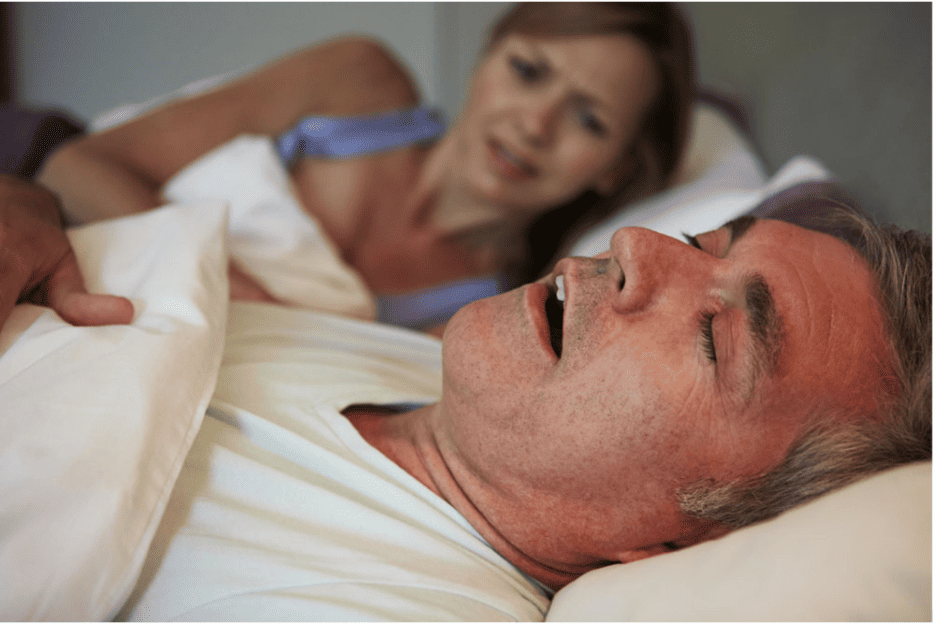
Loud snoring is one of the symptoms most commonly associated with sleep apnea, but it is not a requirement for having the condition. Some people have repeated breathing disruptions during sleep without the heavy, disruptive snoring that typically raises concern. Instead, the first clues may show up during the day: persistent fatigue, morning headaches, difficulty concentrating, or waking after a full night of sleep without feeling rested.
That can make sleep apnea easier to overlook. If no one has complained about your snoring, you may assume poor sleep, stress, or a busy schedule explains why you are exhausted. But snoring and sleep apnea are not the same thing. Snoring is a sound created as air moves through relaxed or narrowed tissues in the upper airway. Obstructive sleep apnea involves repeated episodes in which airflow becomes significantly reduced or stops during sleep.
For patients with ongoing sleep or breathing concerns, C/V ENT Surgical Group can evaluate the upper airway and determine whether further sleep testing is appropriate. The important question is not simply how loudly you sleep, but whether you are breathing normally throughout the night.
Why Doesn’t Everyone With Sleep Apnea Snore?
Snoring can be an important warning sign, but the amount of noise someone makes during sleep does not tell the entire story.
When air passes through a narrowed upper airway, relaxed tissues can vibrate and create the familiar sound of snoring. With obstructive sleep apnea, the airway repeatedly becomes partially or completely blocked during sleep. Snoring may occur around these events, but it can vary considerably from one person to another.
That means a quiet bedroom does not necessarily rule out a breathing problem. It is one reason symptoms beyond snoring deserve attention, especially when someone consistently wakes feeling as though sleep has not been restorative.
Also Read: Is Snoring a Sign of Sleep Apnea?
What Does Sleep Apnea Look Like Without Loud Snoring?
Without obvious snoring, sleep apnea can be less recognizable. Patients may not know that their breathing changes during sleep unless a partner notices pauses, gasping, or unusual breathing patterns.
For others, the evidence appears the following morning.
They may sleep for seven or eight hours and still struggle to get going. Concentration becomes harder than it used to be. Morning headaches occur more often. They may feel unusually irritable or find themselves fighting sleep during quiet parts of the day.
None of these symptoms proves that sleep apnea is the cause. Fatigue, headaches, poor concentration, and disrupted sleep occur with many medical and sleep-related conditions. But when several of these problems persist together, especially despite apparently adequate time in bed, sleep quality and nighttime breathing deserve a closer look.
Not Every Sleep-Related Breathing Problem Looks the Same
The classic picture of obstructive sleep apnea is only one presentation. Sleep-related breathing disorders can involve different mechanisms, which is another reason symptoms cannot be judged by snoring alone.
Obstructive Sleep Apnea
Obstructive sleep apnea occurs when the upper airway repeatedly narrows or becomes blocked during sleep, reducing or interrupting airflow.
Some patients snore loudly. Others may snore only occasionally or much less noticeably. The severity of snoring itself should not be used to determine whether obstructive sleep apnea is present.
Possible symptoms include unrefreshing sleep, daytime sleepiness, morning headaches, problems with concentration, and nighttime awakenings. A bed partner may also notice pauses in breathing or episodes of gasping, although people who sleep alone may have no one observing these events.
Central Sleep Apnea
Central sleep apnea is different from obstructive sleep apnea. Instead of an upper-airway blockage causing the breathing interruption, central sleep apnea involves periods when the brain does not appropriately signal the muscles involved in breathing.
Because the mechanism is different, central sleep apnea does not necessarily produce the same snoring pattern associated with an obstructed upper airway. It also requires appropriate medical and sleep evaluation to identify the type of breathing events occurring.
The distinction matters because treatment depends on what is actually disrupting breathing during sleep.
Upper Airway Resistance Syndrome
Some patients have increased resistance to airflow through the upper airway without the pattern of breathing events typically used to diagnose obstructive sleep apnea. This is commonly referred to as upper airway resistance syndrome, or UARS.
The increased effort required to breathe can contribute to repeated brief arousals from sleep. A person may not remember waking, but the interruptions can interfere with restorative sleep and contribute to fatigue and other daytime symptoms.
Snoring may be present, subtle, or absent. When symptoms suggest disrupted breathing but the picture is not straightforward, a more detailed sleep evaluation may be needed.
Why Sleep Apnea Can Be Easier to Miss in Women
Sleep apnea does not always present the same way in women and men. Women may be less likely to fit the stereotype of the patient who snores heavily and experiences obvious daytime sleepiness.
Instead, complaints may include insomnia, fatigue, headaches, disrupted sleep, or mood and concentration changes. Because these symptoms overlap with many other conditions, the possibility of sleep-disordered breathing may not be immediately apparent.
This does not mean that women with sleep apnea do not snore. Many do. Rather, the absence of severe snoring should not be used to dismiss other symptoms that suggest sleep may be repeatedly disrupted.
The same principle applies to people who are not overweight. Body weight can affect the risk of obstructive sleep apnea, but airway anatomy and other factors also matter. Someone does not have to fit the stereotypical appearance of a sleep apnea patient to warrant evaluation when the symptoms point toward a possible sleep-breathing problem.
Also Read: Can an ENT Doctor Fix Sleep Apnea?
What Symptoms Matter When Snoring Isn’t Obvious?
When snoring is absent or relatively mild, the way you feel during the day becomes particularly important.
You Wake Up Tired After Enough Time in Bed
Occasionally waking tired is normal. Consistently waking exhausted after what should have been enough sleep is different.
Repeated breathing disturbances can fragment sleep without causing awakenings that you remember. You may think you slept through the night while your normal sleep pattern was repeatedly interrupted.
You Struggle With Brain Fog or Concentration
Poor-quality sleep can show up at work, while driving, or during routine tasks that require sustained attention. Patients may describe feeling mentally slower, having trouble concentrating, or struggling to stay alert.
Mood changes and irritability can accompany poor sleep as well. These symptoms have many possible causes, so they should be considered as part of the larger clinical picture rather than treated as proof of sleep apnea.
You Wake With Headaches
Morning headaches can occur in people with sleep apnea, although they are not specific to the condition.
If headaches regularly occur after waking and are accompanied by unrefreshing sleep, daytime sleepiness, or other sleep-related symptoms, mentioning the pattern during an evaluation can help your physician decide whether sleep testing should be considered.
You Wake With a Dry Mouth
A dry mouth or throat in the morning may occur when someone breathes through the mouth during sleep. Nasal obstruction can contribute to mouth breathing, although dry mouth has many other possible causes.
For an ENT physician, this symptom becomes more informative when considered alongside nasal congestion, sleep quality, airway anatomy, and other nighttime symptoms.
You Wake Frequently During the Night
Not every breathing disturbance causes a dramatic awakening. Some people simply notice that their sleep feels restless or that they wake repeatedly without knowing why.
Frequent nighttime urination can also accompany disrupted sleep. Like the other symptoms in this article, it has many possible causes and should not automatically be attributed to sleep apnea.
The pattern matters more than any single symptom. Persistent fatigue combined with restless sleep, morning headaches, dry mouth, or concentration problems gives a physician more reason to investigate what is happening overnight.
What Patients Often Overlook About Sleep Apnea
One of the easiest mistakes is using snoring as the deciding factor.
You may think, “I don’t snore, so it can’t be sleep apnea.” A partner may say that you sleep quietly. Or you may sleep alone and have no way of knowing whether your breathing changes during the night.
Instead, pay attention to how sleep is functioning.
Do you regularly wake feeling restored? Are you struggling to stay alert during the day? Has your concentration changed? Do you wake with headaches or a dry mouth? Has someone ever noticed pauses, gasping, or irregular breathing even though you do not snore heavily?
Those details can be more useful during an evaluation than simply answering yes or no when asked whether you snore.
How Is Sleep Apnea Evaluated When You Don’t Snore?
The absence of loud snoring does not change the basic goal of an evaluation: determining whether breathing is being disrupted during sleep and, if so, understanding what may be contributing.
At C/V ENT Surgical Group, the evaluation may include a review of symptoms and medical history, examination of the head and neck, assessment of the upper airway, and sleep testing when appropriate.
Examining the Nose and Upper Airway
An ENT evaluation can identify anatomical factors that may contribute to restricted airflow.
Fiberoptic endoscopy allows the physician to examine areas such as the nasal passages, septum, turbinates, soft palate, and other portions of the upper airway. The examination does not by itself diagnose what happens to the airway during sleep, but it can identify structural findings that may be relevant when considered alongside symptoms and sleep-test results.
This distinction is important. Sleep apnea is not diagnosed simply by looking at someone’s throat or nasal passages while they are awake. Anatomy is one piece of the evaluation.
Home Sleep Apnea Testing
For appropriate patients with suspected obstructive sleep apnea, a home sleep apnea test can collect information about breathing while the patient sleeps at home.
Home testing can be useful, but it does not provide the same information as a comprehensive overnight sleep study and is not appropriate for every patient. If symptoms remain concerning despite a negative or inconclusive home test, or if another type of sleep disorder is suspected, additional testing may be necessary.
When an Overnight Sleep Study May Be Needed
Polysomnography is performed in a sleep laboratory and records more information than a typical home sleep apnea test. Depending on the patient’s symptoms, medical history, and initial findings, it may be recommended when a more detailed assessment is needed.
The important point is that testing should match the clinical question. Someone with straightforward suspected obstructive sleep apnea may have different testing needs than someone with unusual breathing events, significant medical conditions, or symptoms that remain unexplained.
Why Does Finding Sleep Apnea Matter?
Sleep apnea is more than an issue of snoring or disturbing a partner.
Untreated obstructive sleep apnea can affect sleep quality and daytime functioning, and it is associated with cardiovascular and metabolic health risks. The individual level of risk depends on factors including the type and severity of sleep apnea and a patient’s overall health.
There is also an immediate quality-of-life issue. If repeated breathing disturbances are preventing restorative sleep, patients may spend months or years assuming that feeling exhausted every morning is simply normal for them.
Identifying the cause creates an opportunity to discuss treatment based on the actual sleep and airway findings rather than treating fatigue alone.
When Should You Be Evaluated if You Don’t Snore?
Lack of severe snoring should not keep you from discussing sleep apnea with a physician when other symptoms are present.
An evaluation may be appropriate if you regularly wake feeling unrefreshed despite spending enough time in bed, struggle with significant daytime sleepiness or concentration, wake frequently during the night, experience recurring morning headaches, or have been told that your breathing pauses or becomes irregular while you sleep.
Symptoms deserve particular attention when they persist rather than appearing only after an occasional poor night’s sleep.
You do not need to decide for yourself whether sleep apnea is the explanation. The purpose of an evaluation is to determine whether a sleep-related breathing disorder is present and whether further testing is warranted.
Also Read: How to Treat Sleep Apnea: Top Solutions for Better Sleep
Frequently Asked Questions
Can You Have Sleep Apnea if You Don’t Snore at All?
Yes. Snoring commonly occurs with obstructive sleep apnea, but it is not required for the diagnosis. Sleep apnea is identified by abnormal breathing events during sleep, not by how much noise someone makes. If you have persistent daytime sleepiness, unrefreshing sleep, morning headaches, or other concerning symptoms, lack of snoring should not prevent you from discussing them with a physician.
Can You Have Severe Sleep Apnea Without Loud Snoring?
Yes. Snoring intensity does not reliably determine the severity of obstructive sleep apnea. Someone who snores loudly does not necessarily have severe apnea, and someone who snores less noticeably may still have clinically important breathing disruptions. Sleep testing, rather than snoring volume, is used to determine whether sleep apnea is present and assess its severity.
What’s the Difference Between Obstructive and Central Sleep Apnea?
Obstructive sleep apnea occurs when the upper airway repeatedly becomes narrowed or blocked during sleep. Central sleep apnea involves interruptions in the signals that control breathing rather than the same type of physical upper-airway obstruction. Because the causes differ, distinguishing between breathing-event types is important when determining appropriate treatment.
Can Women Have Sleep Apnea Without Loud Snoring?
Yes. Women with sleep apnea may report symptoms such as fatigue, insomnia, headaches, poor sleep quality, or problems with concentration in addition to, or instead of, prominent snoring. These symptoms are not specific to sleep apnea, but persistent sleep problems should not be dismissed simply because severe snoring is absent.
Can Someone Who Isn’t Overweight Have Sleep Apnea?
Yes. Higher body weight is one risk factor for obstructive sleep apnea, but it is not the only one. Upper-airway anatomy and other individual factors can contribute as well. A person does not need to be overweight or snore heavily to have symptoms that warrant a sleep evaluation.
What Happens During a Sleep Apnea Evaluation at C/V ENT Surgical Group?
An evaluation may include a detailed medical history, head and neck examination, and assessment of the nose and upper airway. Depending on the patient’s symptoms and findings, sleep testing may also be recommended. The purpose is to understand the patient’s airway and sleep concerns and determine what additional evaluation is appropriate.
What Are the Risks of Leaving Sleep Apnea Untreated?
Untreated obstructive sleep apnea can contribute to persistent daytime sleepiness and impaired concentration and is associated with cardiovascular and metabolic health risks. The significance of those risks varies according to the severity of the condition and the patient’s overall health, which is why an accurate diagnosis matters.
Schedule a Sleep and Airway Evaluation at C/V ENT Surgical Group
Loud snoring may draw attention to a sleep problem, but quiet sleep does not guarantee normal breathing. When you repeatedly wake exhausted, struggle with daytime sleepiness or concentration, experience morning headaches, or have other signs of disrupted sleep, it is worth finding out what is happening overnight.
C/V ENT Surgical Group evaluates patients with sleep and upper-airway concerns at its West Hills and Encino offices. Depending on your symptoms and findings, the evaluation may include an upper-airway examination and appropriate sleep testing to determine whether a sleep-related breathing disorder may be contributing.
If your sleep does not feel restorative even though severe snoring is not part of the picture, schedule an evaluation at C/V ENT Surgical Group’s West Hills or Encino office to discuss your symptoms and the appropriate next step.
This article provides general medical information and is not a substitute for individual diagnosis or treatment. Sleep symptoms and causes vary. Consult a qualified physician or sleep specialist for evaluation of persistent or concerning symptoms.