
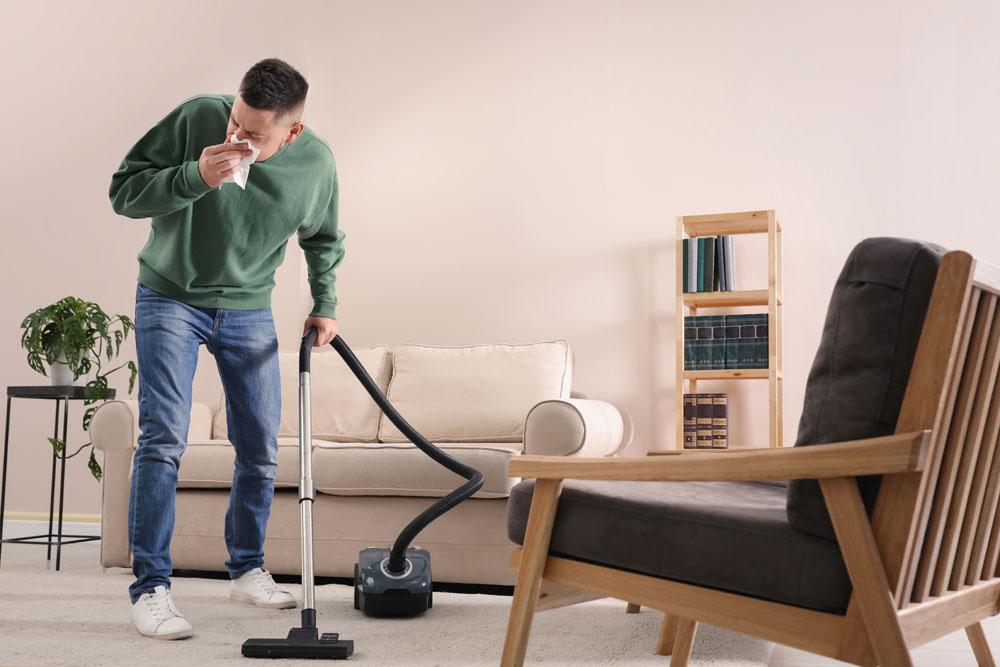
A clean bedroom can still contain allergens that leave you waking up congested, sneezing, or reaching for tissues before you’ve even gotten out of bed. If your nose feels stuffy most mornings, regardless of the season, dust mites could be contributing to the problem.
These microscopic organisms live in mattresses, pillows, bedding, carpets, and upholstered furniture. They feed on shed skin cells, and the proteins found in their waste and body fragments can trigger allergic reactions. Because dust mites live indoors, symptoms may persist throughout the year, even when outdoor pollen levels are low.
For patients in Encino and throughout the San Fernando Valley, persistent nasal symptoms aren’t always caused by seasonal allergies or recurring sinus infections. At C/V ENT Surgical Group, we evaluate ongoing congestion and other nasal concerns to help identify what may be causing them and which treatment options are appropriate.
How Do Dust Mites Trigger Year-Round Nasal Symptoms?
Dust mites thrive in warm environments where moisture and shed skin cells are available. Mattresses, pillows, carpeting, and upholstered furniture provide favorable conditions, making bedrooms a common source of exposure.
Their presence doesn’t mean your home is dirty. Even well-maintained homes can contain dust mites, and ordinary cleaning may not completely eliminate the allergens they leave behind.
When you change your sheets, fluff a pillow, or vacuum carpeting, dust mite particles can become airborne. Breathing in these particles may trigger symptoms if your immune system is sensitive to them.
What Happens Inside Your Nose During an Allergic Reaction?
If you’re allergic to dust mites, your immune system reacts to proteins found in their waste and body fragments. This involves IgE antibodies, which help recognize specific allergens and trigger the release of histamine and other inflammatory chemicals.
As these chemicals are released, the lining of your nose can swell and produce additional mucus. That inflammation makes it harder to breathe comfortably through your nose and may cause repeated sneezing, itching, and watery drainage.
Unlike a cold, which typically improves as the infection resolves, allergic inflammation may continue when you’re repeatedly exposed to the trigger.
Why Can Dust Mite Allergies Cause a Constant Runny Nose?
Your nose naturally produces mucus to trap particles and keep the nasal passages moist. During an allergic reaction, the glands inside the nose produce more mucus than usual.
This can lead to a persistent, clear runny nose, sometimes accompanied by postnasal drip or frequent throat clearing.
Because dust mite exposure often occurs where you sleep, you may notice these symptoms when you wake up or after spending time around bedding and upholstered furniture.
Why Don’t Dust Mite Allergies Go Away When the Seasons Change?
Outdoor allergens such as tree and grass pollen fluctuate throughout the year. Dust mites, however, can remain present inside homes in every season.
For someone with a dust mite allergy, this repeated exposure can cause perennial allergic rhinitis, meaning nasal allergy symptoms that occur throughout the year rather than during a particular pollen season.
Symptoms may still fluctuate. Changes in indoor humidity, cleaning activities, or time spent in rooms with carpeting and upholstered furniture can affect exposure.
Also Read: How Allergies Affect Sinuses, Ears, and Sleep
What Are the Common Symptoms of a Dust Mite Allergy?
Dust mite allergies can affect more than your ability to breathe through your nose. Some patients experience mild symptoms that are most noticeable in the morning, while others struggle with congestion that interferes with sleep or daily activities.
Common symptoms include:
- Nasal congestion: A blocked or stuffy nose that may be especially noticeable at night or upon waking.
- Repeated sneezing: Several sneezes in a row, particularly after disturbing bedding or household dust.
- Clear, watery nasal drainage: A runny nose that continues without the typical progression of a cold.
- Nasal or throat itching: Irritation that may also affect the roof of the mouth.
- Postnasal drip: Mucus draining toward the throat, sometimes causing coughing or frequent throat clearing.
- Itchy or watery eyes: Eye irritation that may accompany other allergy symptoms.
These symptoms aren’t unique to dust mite allergies. Other indoor allergens, nonallergic rhinitis, and certain sinus conditions can produce similar complaints.
Why Are Symptoms Sometimes Worse in the Morning?
If you wake up sneezing or congested but begin to feel better after leaving your bedroom, dust mite exposure is one possible explanation.
Mattresses and pillows can accumulate dust mite allergens over time. Moving around in bed or disturbing bedding may release particles that contribute to nasal irritation.
You may also notice symptoms when changing sheets, vacuuming, or cleaning areas where dust collects.
Although these patterns can be useful clues, they don’t confirm an allergy on their own.
Can Dust Mite Allergies Affect Sleep?
Persistent nasal congestion can make it difficult to breathe comfortably at night. You may find yourself breathing through your mouth, waking frequently, or feeling less rested in the morning.
Postnasal drip may also contribute to nighttime coughing or throat irritation.
Dust mite allergies can coexist with asthma, eczema, and other allergic conditions. If you experience wheezing or recurring breathing symptoms along with nasal congestion, those concerns deserve medical attention.
Dust Mite Allergies vs. Sinus Problems: How Can You Tell the Difference?
If you’ve been treating what seems like a recurring sinus infection but your congestion never fully clears, allergies may be part of the problem.
Dust mite exposure can keep the nasal lining inflamed, contributing to persistent congestion and drainage. However, chronic sinusitis, nonallergic rhinitis, and structural problems inside the nose can cause similar symptoms.
The pattern of your symptoms may offer clues.
Allergic rhinitis often causes sneezing, itching, watery drainage, and congestion that becomes more noticeable around bedding or household dust.
Sinusitis may involve nasal blockage, facial pressure, reduced sense of smell, and thicker nasal drainage. Chronic sinusitis can also cause symptoms that last for months, sometimes without significant pain.
Nonallergic rhinitis may produce congestion or a runny nose in response to irritants, temperature changes, fragrances, or other triggers without an allergic immune response.
It’s also possible to have more than one condition. Allergic inflammation may contribute to nasal swelling while a separate structural problem makes breathing through your nose more difficult.
An ENT evaluation can help distinguish these possibilities rather than relying on symptoms alone.
Could Another Indoor Allergen Be Responsible?
Dust mites aren’t the only allergens found indoors. Pet dander, mold, and cockroach allergens can also trigger nasal symptoms.
Some patients are sensitive to several allergens, making it difficult to identify a single cause based on when symptoms occur.
If you’ve made changes to your bedroom but continue experiencing congestion, another indoor trigger—or a condition unrelated to allergies—may be contributing.
Also Read: Seasonal Allergies in Encino: Why You May Need More Than Over-the-Counter Relief
How to Reduce Dust Mites in Your Bedroom and Home
You can’t eliminate every dust mite from your home, but reducing exposure may help improve symptoms.
The most useful approach usually involves several practical changes rather than relying on one cleaning method or product.
Start With Your Mattress, Pillows, and Bedding
Because you spend several hours in bed each night, your sleeping environment is a reasonable place to begin.
Consider using allergen-resistant encasements for your mattress and pillows. These covers create a barrier between you and allergens that accumulate inside bedding.
Wash sheets, pillowcases, and washable blankets regularly. Hot-water washing can help reduce dust mites when the fabric and manufacturer’s care instructions allow it.
If you use decorative pillows or other fabric items that are difficult to wash, reducing the number kept on your bed may make cleaning easier.
Keep Indoor Humidity Under Control
Dust mites thrive in humid environments. The U.S. Environmental Protection Agency recommends maintaining indoor humidity at approximately 30% to 50% when practical.
A hygrometer can help you monitor humidity levels. In more humid conditions, a dehumidifier or appropriate air conditioning may be useful.
Reducing humidity won’t immediately remove allergens already present in bedding or furniture, so it works best alongside regular cleaning.
Reduce Dust Buildup on Floors and Furniture
Carpeting, rugs, curtains, and upholstered furniture can collect dust mite allergens.
When practical, choose washable fabrics and surfaces that are easier to clean. Damp dusting can help capture particles rather than spreading them into the air.
A vacuum equipped with a properly maintained HEPA filter may help reduce allergen exposure. If vacuuming tends to trigger your symptoms, consider having someone else handle that task or avoiding the area immediately afterward.
Replacing carpeting with hard flooring may be worth considering in rooms where symptoms are particularly troublesome, although major household changes aren’t necessary for every patient.
What If Cleaning Doesn’t Improve Your Symptoms?
Environmental changes can reduce exposure, but they don’t always provide complete relief.
If you’re still waking up congested despite making reasonable changes, you may need treatment for the underlying nasal inflammation. It’s also possible that dust mites aren’t the primary cause of your symptoms.
Rather than continuing to purchase cleaning products or make increasingly extensive changes to your home, consider an evaluation to determine what else may be contributing.
What Treatments Help With Year-Round Dust Mite Allergies?
Treatment depends on how frequently symptoms occur, how much they interfere with daily life, and whether other nasal or sinus conditions are present.
For some patients, environmental changes and occasional medication are enough. Others need a more consistent approach to control ongoing inflammation.
Antihistamines for Sneezing, Itching, and Runny Nose
Antihistamines help reduce the effects of histamine released during an allergic reaction.
Oral antihistamines may relieve sneezing, itching, and watery drainage. Intranasal antihistamines can also help manage symptoms directly within the nasal passages.
Different medications have different benefits and side effects, so the appropriate choice depends on your symptoms and medical history.
Nasal Corticosteroid Sprays for Persistent Congestion
Intranasal corticosteroids reduce inflammation inside the nose and are commonly used for persistent allergic rhinitis.
They can be particularly helpful when nasal blockage is a major concern, although their full benefit may take consistent use over time.
Proper spray technique matters. Your provider can explain how to use the medication effectively while minimizing irritation.
Saline Nasal Rinses
Saline nasal rinses may help wash away mucus, allergens, and other irritants from the nasal passages.
If you use a nasal irrigation device, always prepare the solution with distilled, sterile, or previously boiled and cooled water. Untreated tap water should not be used for nasal rinsing.
Saline irrigation can be a useful addition to allergy treatment, but it doesn’t replace medication or medical evaluation when symptoms remain uncontrolled.
Allergy Immunotherapy
For selected patients with confirmed dust mite allergies, allergen immunotherapy may be an option when avoidance measures and medications don’t provide sufficient relief.
Immunotherapy works by gradually changing how the immune system responds to an allergen. Depending on the treatment and individual circumstances, it may involve allergy injections or an approved under-the-tongue treatment.
Unlike medications that primarily control symptoms, immunotherapy aims to reduce allergic sensitivity over time. It requires appropriate patient selection and ongoing treatment rather than providing immediate relief.
Be Careful With Decongestant Nasal Sprays
Over-the-counter decongestant nasal sprays may temporarily relieve a blocked nose, but using them longer than directed can lead to rebound congestion.
This can create a cycle in which your nose feels increasingly blocked whenever the medication wears off.
If you find yourself using a decongestant spray repeatedly just to breathe comfortably, seek medical advice rather than continuing to increase its use.
Also Read: How Weather and Air Quality Affect Sinus Health
When Should You See an ENT Specialist for Persistent Nasal Symptoms?
Occasional sneezing or congestion doesn’t necessarily require a specialist. But if your symptoms continue for weeks, disrupt your sleep, or return despite treatment, identifying the cause becomes more important.
You may benefit from an ENT evaluation if you:
- Wake up congested most mornings.
- Have difficulty breathing through your nose at night.
- Experience ongoing postnasal drip or frequent throat clearing.
- Have tried allergy medications without adequate relief.
- Suspect recurring sinus infections but never feel completely better.
- Have persistent blockage that seems worse on one side.
- Experience nasal symptoms alongside other concerns, such as reduced smell or recurring facial pressure.
At C/V ENT Surgical Group, we evaluate persistent nasal congestion by reviewing your symptoms, possible allergy triggers, and response to previous treatments. An examination of the nasal passages can help us identify inflammation or structural concerns that may be contributing.
When clinically appropriate, allergy testing may also help determine whether you’re sensitized to dust mites or other allergens. Test results need to be interpreted alongside your symptoms because a positive allergy test doesn’t necessarily mean that allergen is responsible for every nasal complaint.
The goal is to understand why your symptoms continue and develop a treatment approach that addresses the underlying problem.
Get Help for Year-Round Nasal Congestion at C/V ENT Surgical Group
If you’ve tried washing bedding more frequently, reducing household dust, or taking allergy medication but still wake up congested, dust mites may not be the whole story.
Persistent nasal symptoms can involve allergies, sinus inflammation, structural narrowing, or a combination of factors. Identifying what’s contributing to your congestion can help you avoid relying on treatments that aren’t addressing the cause.
At C/V ENT Surgical Group, we help patients understand their ongoing nasal symptoms and explore appropriate care options. Schedule an evaluation at our Encino or West Hills location to discuss your congestion, allergy concerns, and breathing difficulties.
Frequently Asked Questions About Dust Mite Allergies
How Can I Tell if Dust Mites Are Causing My Nasal Symptoms?
Dust mite allergies may cause sneezing, congestion, itching, and watery nasal drainage that become more noticeable in the bedroom or after changing bedding and cleaning. Symptoms may occur throughout the year. These patterns suggest a possible allergy, but a medical evaluation and, when appropriate, allergy testing can help identify the trigger.
What Is the Difference Between Dust Mite Allergies and a Sinus Infection?
Dust mite allergies commonly cause sneezing, itching, and clear nasal drainage. Sinusitis is more likely to involve facial pressure, reduced sense of smell, and persistent nasal blockage, sometimes with thicker mucus. Symptoms can overlap, so an ENT evaluation may be needed to determine the cause.
Can Dust Mites Cause Nasal Congestion All Year?
Yes. Dust mites can remain present in bedding, carpeting, and upholstered furniture throughout the year. For patients who are allergic to them, repeated exposure may cause perennial allergic rhinitis, with congestion, sneezing, and other symptoms occurring outside traditional pollen seasons.
Can Dust Mite Allergies Cause Nasal Congestion Even When My Home Is Clean?
Yes. Dust mites are common in mattresses, pillows, and other soft furnishings, including those in well-maintained homes. Their presence doesn’t indicate poor housekeeping. Allergen-resistant bedding covers, regular washing, humidity control, and appropriate cleaning may help reduce exposure, but they may not eliminate symptoms completely.
Are Dust Mite Allergies Dangerous, and When Should I Seek Medical Care?
Dust mite allergies often cause uncomfortable rather than dangerous nasal symptoms, but they can interfere with sleep and may worsen asthma in susceptible patients. Seek medical evaluation if symptoms persist or affect daily activities. Severe breathing difficulty or swelling of the tongue or throat requires emergency medical attention.
What Treatments Are Available for Persistent Dust Mite Allergy Symptoms?
Treatment may include reducing indoor allergen exposure, antihistamines, corticosteroid nasal sprays, and saline rinses. For selected patients with confirmed allergies, immunotherapy may also be considered. An ENT evaluation can help determine whether your symptoms are primarily allergy-related or whether another nasal or sinus condition requires attention.