
It’s easy to take breathing for granted until it becomes a struggle. For many, environmental factors like weather changes and air pollution can significantly impact sinus health. The nose and sinuses are the body’s first line of defense against the outside world, filtering the air you breathe before it reaches your lungs. However, when these environmental conditions are challenging, it can lead to uncomfortable symptoms like sinus pressure, congestion, and pain.
People with pre-existing conditions like allergies, chronic sinusitis, or asthma are particularly vulnerable to these changes. The delicate tissues in their nasal passages are already sensitive, making them more reactive to shifts in temperature, humidity, and air quality. In a place like West Hills, where seasons bring different challenges and how air quality affects sinuses can vary, understanding these connections is key to maintaining good sinus health.
How the Sinuses Work
The sinuses are a series of interconnected, air-filled cavities located in the bones of your face, surrounding your nose, and eyes. They are lined with a thin layer of tissue that produces mucus, which helps to trap dust, allergens, and other airborne particles. The primary function of the sinuses is to filter and humidify the air you breathe, ensuring it’s warm and moist before it enters your lungs.
For the sinuses to function properly, this mucus needs to drain effectively through small openings into the nasal passages. When these passages become inflamed or blocked, often due to a cold, allergies, or irritants, the mucus can’t drain. This creates a perfect environment for bacteria or viruses to grow, leading to a sinus infection, or sinusitis. The resulting buildup of pressure can cause a sinus headache and facial pain, which is a common complaint for those with sinus issues.
The Role of Weather in Sinus Health
Weather isn’t just about what you wear; it’s about what you breathe. Various weather patterns have a direct impact on your sinuses. Let’s look at sinus and seasonal changes.
Temperature Swings
Sudden and dramatic changes in temperature can be a major trigger for sinus congestion. When you go from a warm, indoor environment to cold, outdoor air, the blood vessels in your nose and sinuses can constrict and then rapidly expand. This can lead to swelling and a feeling of sinus pressure weather changes. Cold air itself can also be an irritant, particularly for those with chronic rhinitis, causing the nasal passages to become dry and inflamed.
Humidity Levels
The right amount of humidity is important for sinus health. When the air is too dry, typically in winter or in arid climates, your mucous membranes can dry out. This makes them less effective at trapping irritants and more susceptible to inflammation. On the other hand, a high-humidity environment can be a breeding ground for mold and dust mites, two common allergens that can worsen allergies and lead to sinus problems.
Barometric Pressure Drops
If you’ve ever felt a headache coming on before a storm, you might be experiencing a reaction to a drop in barometric pressure. The air inside your sinuses is at the same pressure as the air around you. When the external pressure drops rapidly, it can create a temporary pressure differential between the inside and outside of your sinus cavities. This can trigger pain and pressure, especially in those with already inflamed or blocked sinuses. This is a classic example of sinus problems due to weather.
Seasonal Transitions
The transition between seasons can be a challenging time for your sinuses. In West Hills, spring and fall bring surges in allergens. Spring is notorious for tree and grass pollen, while fall is known for ragweed and outdoor mold growth. These allergens can trigger a powerful immune response, causing inflammation and congestion. Winter, with its dry air and indoor heating, can also lead to sinus irritation. The lack of moisture can make your sinuses more vulnerable to colds and flu viruses.
Also Read: Top ENT Tips on How to Prevent Sinus Infections During Allergy Season
Air Quality: What You Breathe Matters
Beyond the weather, the quality of the air you breathe is a critical factor in your sinus health.
Pollution and Particulate Matter
Air pollution, a significant concern in many urban areas, can have a profound effect on your sinuses. Pollutants like ozone, nitrogen dioxide, and tiny particles known as PM2.5 can irritate the delicate lining of your nasal passages and sinuses. These particles are small enough to be inhaled deep into the respiratory system, where they can cause inflammation. Long-term exposure to this kind of sinus congestion air pollution can lead to chronic inflammation and a higher risk of developing chronic sinusitis.
Indoor Air Irritants
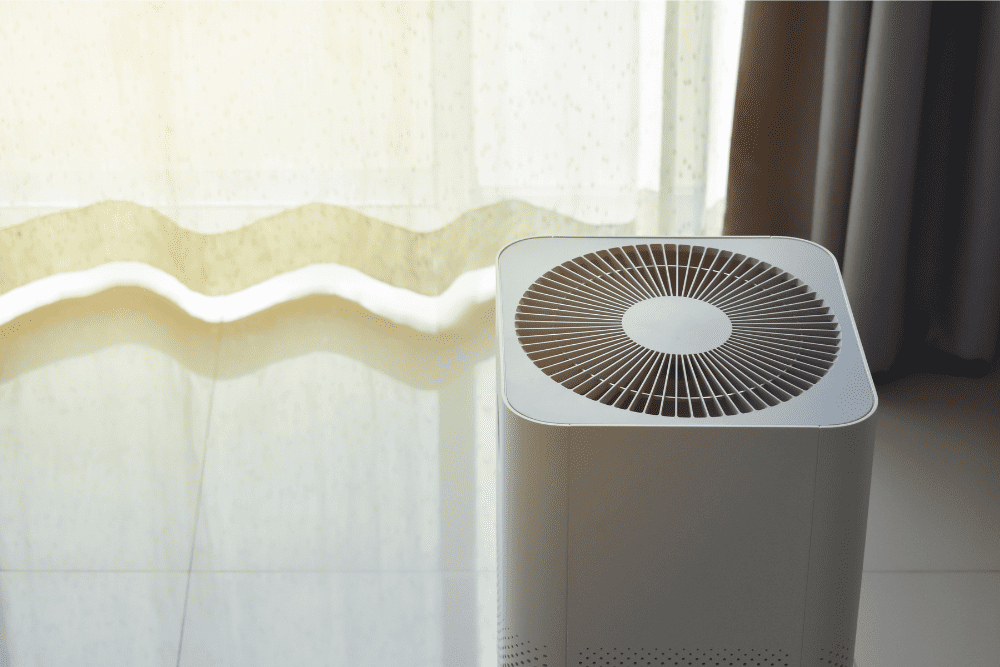
Your home and workplace can also be sources of sinus irritation. Common indoor culprits include pet dander, dust mites, mold, and volatile organic compounds (VOCs) from cleaning products, paints, and air fresheners. These irritants can trigger allergic reactions and chronic inflammation, leading to persistent sinus issues. Ensuring you have good ventilation and using air purifiers can make a significant difference.
Wildfire Smoke and Environmental Events
In recent years, the increasing prevalence of wildfires has created new challenges for respiratory health. Wildfire smoke contains a complex mix of toxic gases and particulate matter that can be highly irritating to the sinuses and lungs. When air quality alerts are issued due to smoke, it’s vital to take protective strategies, such as staying indoors with windows closed and using a high-efficiency air filter.
Who’s Most at Risk?
While anyone can be affected by weather and air quality, certain groups are more susceptible. These include people with chronic sinusitis, nasal polyps, or allergic rhinitis. Children, older adults, and individuals living in areas with poor air quality or frequent weather changes are also at higher risk. Frequent travelers or people who work in environments with significant temperature changes can also experience these symptoms more often.
Also Read: From Sinus Surgery to Sleep Apnea Solutions: Top ENT Procedures Explained
Protecting Your Sinus Health Year-Round
Fortunately, there are several steps you can take to proactively protect your sinuses.
Monitor Local Air Quality and Weather
Stay informed about the conditions in West Hills. Use apps like AirNow.gov or Weather.com to check the daily forecast, including air quality reports. Knowing when to limit outdoor activities can prevent a flare-up of sinus symptoms.
Use a Humidifier or Dehumidifier as Needed
Maintain an ideal indoor humidity level, typically between 40–60%. A humidifier can help during the dry winter months, while a dehumidifier is useful in humid seasons to prevent mold growth. Remember to clean these units regularly to prevent them from becoming a source of mold themselves.
Air Purifiers and Ventilation
Consider using an air purifier with a HEPA filter to capture allergens and fine particulate matter. Good ventilation is also important. Avoid indoor smoking and the use of strong chemical cleaners that can release irritants into the air.
Sinus Care Routine
A consistent sinus care routine can make a big difference. Daily saline nasal rinses or sprays can help flush out irritants and keep your nasal passages moist. Staying well-hydrated is also important as it helps to keep mucus thin and easier to drain. For some, over-the-counter antihistamines or decongestants may provide temporary relief, but it’s always best to consult a doctor.
When to See a Specialist
While many sinus symptoms can be managed with at-home care, some issues require professional medical attention. If you experience persistent sinus pressure, congestion, or postnasal drip, or if you have frequent sinus infections or symptoms that last more than 10 days, it’s time to see a specialist. An ENT for sinus issues can provide a comprehensive diagnosis and a tailored treatment plan. An ENT specialist can also help with snoring or other sleep issues tied to chronic nasal inflammation.
Final Takeaway
The intricate link between weather, air quality, and sinus health in West Hills is clear. By being mindful of your environment and taking proactive steps, you can significantly reduce the impact of these factors on your well-being. For those in West Hills, it’s important to be proactive, especially during changing seasons or periods of poor air conditions. If you’re struggling with chronic sinus problems, it’s time to find an ENT specialist West Hills residents can trust. A dedicated West Hills allergy doctor or an ENT can provide the expertise and care you need to breathe easier and live more comfortably.
If you’re ready to get to the bottom of your persistent sinus problems, consider scheduling a consultation with the specialists at C/V ENT Surgical Group. They can offer expert diagnosis and treatment to help you find lasting relief.