
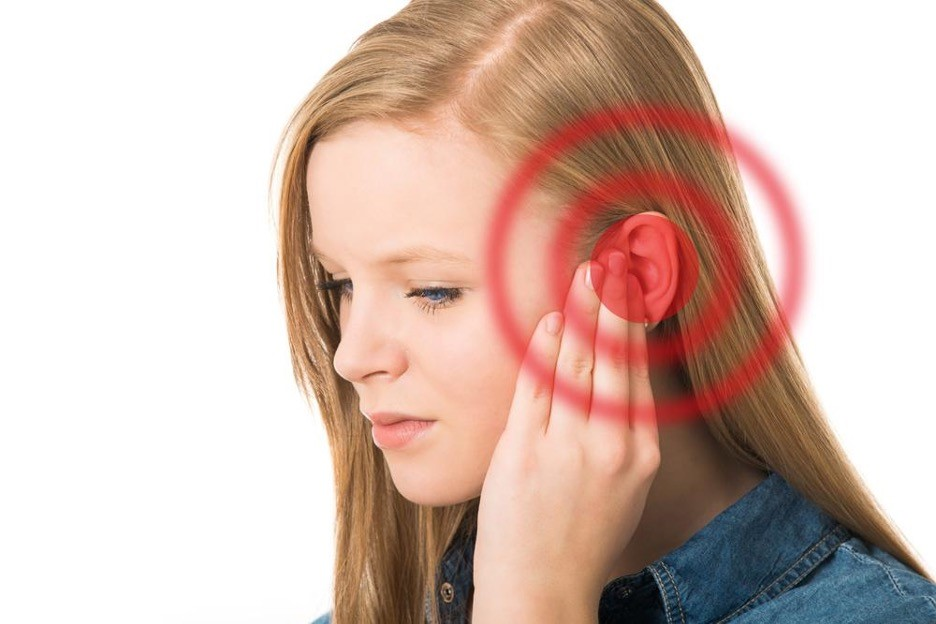
Tinnitus is often described as a constant ringing, but that is not how everyone experiences it. In reality, ringing in the ears can shift from hour to hour or from one week to the next. Some days the ear noise stays faint and easy to ignore, while on other days it grows loud enough to take over your attention.
This pattern is common, and it often leaves people unsure about what is happening. Why tinnitus is worse on some days than others is a question that brings many patients into the clinic. The answer is rarely simple, because several different factors can affect how strong the sound feels.
In some cases, these changes are connected to circulation and the health of your blood vessels. When blood flow shifts during the day, the inner ear can respond in ways you are able to hear. Learning why tinnitus symptoms may come and go can help you decide when the pattern is worth a closer look.
Why Tinnitus Symptoms Fluctuate
Tinnitus rarely stays the same from person to person. The sound can change in volume, pitch, and how long it lasts. For some people, intermittent tinnitus appears for only a few minutes before fading. For others, the sound lingers for hours before it eases. This range is one reason patients often ask what causes intermittent ringing in the ears.
Several everyday triggers can briefly raise the volume of tinnitus:
- Stress and anxiety
- Fatigue or poor sleep
- Physical exertion
- Changes in blood pressure
- Certain body positions, such as bending over
Tinnitus can seem unpredictable because many of these triggers naturally fluctuate throughout the day. You may hear it on a stressful afternoon and hardly notice it the next morning. This variability helps explain why tinnitus is not always constant.
It’s also useful to keep in mind that there’s rarely a single trigger. A late night, a stressful meeting, and a missed meal can all add up and make tinnitus seem louder by the end of the day. Several factors overlap, so the change can seem sudden, though it had been building for hours.
Also Read: 6 Of The Most Common Ear, Nose And Throat Problems
The Role of Blood Flow in Tinnitus
The inner ear is a fragile structure that depends on a constant stream of oxygenated blood. Tiny blood vessels supply the structures that turn sound into signals your brain can read. When the flow is smooth and stable, the ear works as it should. But when circulation changes, the ear may begin to register the change.
Circulation naturally rises and falls during the day for many reasons, including exercise, stress, body position, and blood pressure. These shifts help explain why tinnitus can fluctuate over time, since changes in blood flow may make the sound louder on some days and quieter on others. This relationship is one reason hearing health and vascular health are often reviewed together.
It also helps to understand that the change doesn’t always begin inside the ear itself. Sometimes the sound is a reflection of nearby blood vessels. If the flow through those vessels speeds up or slows down, the sensation in your ear may do the same. This link explains why two people with similar hearing can experience very different tinnitus.
When Tinnitus Sounds Like a Heartbeat
Tinnitus is often described as ringing, buzzing, or hissing, but pulsatile tinnitus is different. It produces a rhythmic sound that beats in time with your pulse. Instead of a steady tone, you hear a whooshing or thumping that rises and falls with each heartbeat. People tend to notice it most when the room around them is quiet.
This type of ringing in the ears is often most apparent at certain times. It gets louder with exercise, lying down, or any time there is more blood flow. Because pulsatile tinnitus frequently points toward a vascular source, recurring episodes deserve a careful review. A specialist can explain why the sound is in sync with your heartbeat and whether you need further tests.
It is also helpful to note when the rhythmic sound occurs and how long it lasts. Some people hear it only at night, while others notice it after climbing stairs or lifting something heavy. These details give your provider useful clues as to where the sound might come from. The more precise you are in describing the pattern, the easier it can be to plan the right tests.
Can Vascular Conditions Cause Intermittent Tinnitus?
Yes, problems with blood vessels can lead to tinnitus that comes and goes. When a vessel narrows or develops an abnormal shape, blood can no longer move through it smoothly. The flow becomes turbulent, similar to water rushing past a sharp bend in a pipe. That turbulence can create a sound the ear can detect.
This is also why vascular-related tinnitus is often inconsistent, since the sound may depend on your blood pressure, your activity level, or your position at a given moment. Carotid artery disease offers one example, because narrowing in this large neck vessel can produce turbulent flow and pulsatile tinnitus.
A specialist can use imaging and a physical exam to find out whether a blood vessel is involved. The goal is to see how blood moves through the neck and head and whether anything is disrupting that flow. Identifying a vascular cause early provides more options for care. It also helps separate harmless tinnitus from the type that needs closer attention.
Also Read: When Is Tinnitus a Sign of a Serious Condition?
Other Symptoms That May Occur Alongside Tinnitus
Tinnitus doesn’t always appear on its own. When it shows up alongside other symptoms, the combination can reveal useful clues about the cause. It helps to pay attention to any signs that arrive around the same time as the ear noise, because they can indicate whether circulation is involved.
Symptoms worth noting include:
- Dizziness or balance problems
- Headaches
- Vision changes
- Neck discomfort
- Ear fullness or pressure
These signs should not be dismissed when they occur together with tinnitus. On their own, some of them may seem minor, but in combination, they can suggest that blood flow or the nervous system needs a closer look. Sharing the complete list with your provider creates a clearer overall view of what may be driving the sound.
When to Seek a Medical Evaluation
Occasional tinnitus after a loud concert is usually not a cause for concern. Certain patterns, however, do deserve a professional review. If you have chronic tinnitus that keeps returning without any clear trigger, it makes sense to have it evaluated. The same applies when the sound follows a heartbeat rhythm, which is the hallmark of pulsatile tinnitus.
Consider reaching out to a specialist if you notice any of the following:
- Tinnitus that repeatedly comes and goes with no clear cause
- Pulsatile tinnitus that beats in time with your pulse
- Symptoms that grow more frequent or more severe
- Tinnitus paired with dizziness or other neurological signs
An evaluation doesn’t always uncover a serious problem, and many people find a manageable cause. Still, getting checked remains the most reliable way to confirm what is happening. For residents exploring tinnitus symptoms in West Hills, consulting with a provider who can do a vascular review may be the right next step, and it can also guide suitable options for tinnitus treatment.
Also Read: The Most Prominent Causes Of Age-Related Tinnitus
Conclusion
Tinnitus symptoms can shift for many reasons, from stress and fatigue to changes in blood pressure and body position. For many people, these brief changes are harmless. Recurring episodes, however, may sometimes point toward an underlying circulation issue that deserves further assessment. This is especially relevant for patients whose tinnitus repeatedly changes without a clear explanation.
Tracking the overall pattern of your symptoms provides helpful information. Noting when the sound appears, how long it lasts, and what seems to trigger it can help your provider decide whether a vascular evaluation is needed. A heartbeat rhythm or a pattern without any clear cause is a strong reason to ask.
Early assessment serves two purposes. It can rule out more serious conditions, and it can give you greater peace of mind about your hearing health. If your symptoms keep returning, Dr. Alen Cohen and his team can help you understand the cause.
Still wondering why your tinnitus changes from day to day? A vascular evaluation can help explain the pattern and rule out a circulation issue. Contact C/V ENT Surgical Group’s West Hills or Encino office to schedule an assessment with a specialist who can guide your next steps.