
A cold or seasonal allergy can dull your sense of smell for a few days, but that usually clears up on its own. When the loss of smell lingers for weeks and is accompanied by ongoing congestion or sinus pressure, something else may be going on. Nasal polyps are one possible cause of persistent smell changes because they can interfere with airflow and occur alongside chronic inflammation in the nose and sinuses.
These soft, noncancerous growths develop in the lining of the nose and sinuses and are associated with chronic inflammation. When they grow large enough, they can physically block the path that odor particles need to reach your smell receptors. This can lead to hyposmia, a reduced sense of smell, or, in some cases, anosmia, a complete loss of smell. If your sense of smell hasn’t returned to normal and you are experiencing other chronic sinusitis symptoms, an evaluation with an ENT specialist can help identify the cause and the right next steps.
How Nasal Polyps Interfere With Your Sense of Smell
Nasal polyps are soft, noncancerous growths that form inside the nose or sinuses. These painless growths are associated with ongoing inflammation in the nose and sinuses. They can cause a reduced sense of smell and may also lead to repeated sinus infections. Polyps can grow alone or in groups. They often develop in the narrow spaces where the sinuses drain into the nose.
Large polyps can block air and scent particles from reaching the nerves that control smell. These nerves sit near the top of the nasal cavity. Reduced sense of smell is one of the most troubling symptoms of chronic sinus inflammation and nasal polyps. It can affect daily activities, mood, and even safety. Inflammation can also irritate the nerves that detect odors, making it harder to smell even when the nasal passages are not fully blocked.
This can lead to hyposmia, a reduced sense of smell, or anosmia, a complete loss of smell. More than 12% of people in the United States have some type of smell disorder. Hyposmia affects about 3% of Americans. Because smell plays a major role in how we experience taste, food may start to seem bland or flavorless. Many people don’t notice how closely smell and taste are linked until their sense of smell changes.
Also Read: What Are the Early Signs of Nasal Polyps?
Signs Your Loss of Smell Could Be Related to Nasal Polyps
Constant Nasal Blockage
One of the more noticeable signs is congestion that doesn’t clear up like a typical cold. Instead of improving after a week or two, the stuffiness sticks around and may even feel like it is getting worse. Persistent congestion can occur with nasal polyps, chronic sinus inflammation, allergies, structural problems, and other conditions, which is why symptoms that do not resolve deserve a closer look.
Gradually Declining Sense of Smell
Unlike the sudden loss of smell that can come with a cold, polyp-related loss of smell often develops slowly. As inflammation builds or polyps grow larger, the sense of smell may fade in stages rather than disappearing all at once. Patients sometimes notice the change only when they compare how things smell now with how they smelled months earlier.
Ongoing Sinus Symptoms
Larger or multiple polyps commonly cause a cluster of symptoms beyond smell loss, including:
- Facial pressure around the cheeks, forehead, or eyes
- Postnasal drainage that feels like it never fully clears
- A persistent runny nose
- Recurrent sinus infections
- Difficulty breathing through the nose, especially at night
Symptoms That Don’t Improve With Typical Treatments
If congestion and smell problems continue despite standard allergy medication or over-the-counter cold remedies, that is worth paying attention to. Persistent symptoms that don’t respond to usual treatment approaches are a common reason patients eventually seek a specialist’s opinion.
Loss of Smell Doesn’t Always Mean Nasal Polyps
Nasal polyp symptoms can look like those of other conditions. This means that losing your sense of smell alone doesn’t confirm nasal polyps. Smell changes can also occur after upper respiratory infections, head injuries, with certain medications, and from other nasal, sinus, dental, or neurological conditions. Chronic sinusitis can also affect smell even when nasal polyps are not present. Allergies and other types of nasal inflammation can cause similar problems by affecting airflow and the nerves that help you smell.
Certain medications can also affect your sense of smell. Nasal congestion is another common cause, along with many other conditions that can affect the sense of smell.
Because so many things can cause changes in your sense of smell, a proper exam is important. An ENT specialist can examine your symptoms, assess your nose and sinuses, and help determine what may be causing the problem.
Also Read: Nasal Polyps and Sleep Quality: Why They’re Connected
How an ENT Checks for Nasal Polyps
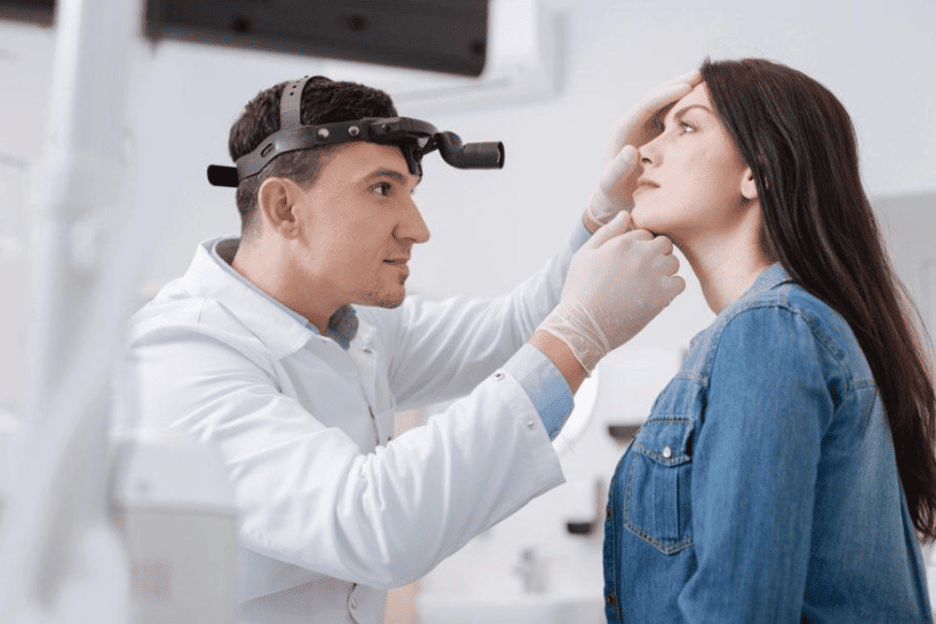
The evaluation usually starts with a conversation about when the change in smell began and whether the loss is partial or complete. Your doctor may also ask about related symptoms such as congestion, sinus pressure, frequent infections, allergies, or asthma, since these details help narrow down the cause. This history often reveals patterns that point toward or away from polyps as the source.
From there, a physical exam of the nasal passages gives the doctor a first look at any visible swelling or obstruction. Many ENT specialists also use nasal endoscopy, which involves a thin, lighted scope that allows a closer view of the nasal and sinus passages. When needed, CT imaging can show the full extent of polyps or inflammation, including areas not visible on a standard exam. In some cases, a doctor may also use a simple smell test to measure how well a patient can detect and identify different odors.
Can Your Sense of Smell Return After Treating Nasal Polyps?
Smell can improve after nasal polyps and the underlying inflammation are treated, but the degree of recovery varies and cannot always be predicted.
Treatment depends on the severity of the polyps, associated inflammation, symptoms, and how a patient responds to initial therapy. Corticosteroid nasal sprays are commonly used to reduce inflammation, and short courses of oral corticosteroids may be considered in selected cases.
When symptoms remain difficult to control, additional treatment may include endoscopic sinus surgery or, for certain patients with severe or recurrent nasal polyps, biologic medications that target specific inflammatory pathways. The right approach depends on the individual, and treatment may continue after surgery because nasal polyps can recur.
When Should Loss of Smell Be Evaluated by an ENT?
Certain patterns suggest it is time to schedule an appointment rather than wait things out. These include:
- Smell that doesn’t return once a cold or illness has fully resolved
- Smell loss that continues alongside chronic congestion
- Symptoms that are gradually getting worse instead of better
- Recurrent sinus infections or ongoing facial pressure
- Nasal symptoms that are not improving with typical treatments
If any of these sound familiar, a specialist visit at C/V ENT Surgical Group can help clarify what is actually happening.
Also Read: Adult ENT West Hills: Comprehensive Ear, Nose & Throat Care for Adults
Find Out What’s Affecting Your Sense of Smell
Persistent loss of smell is not something you need to accept as permanent without understanding why it is happening. An ENT specialist can determine whether nasal polyps, chronic sinus inflammation, or another condition is behind your symptoms and walk you through treatment options that fit your situation.
If you are seeking care for nasal polyps in Encino, the team at C/V ENT Surgical Group can evaluate your symptoms and help you find a path forward. Schedule a consultation at C/V ENT Surgical Group’s West Hills or Encino office to get a clear answer about what is affecting your sense of smell.