
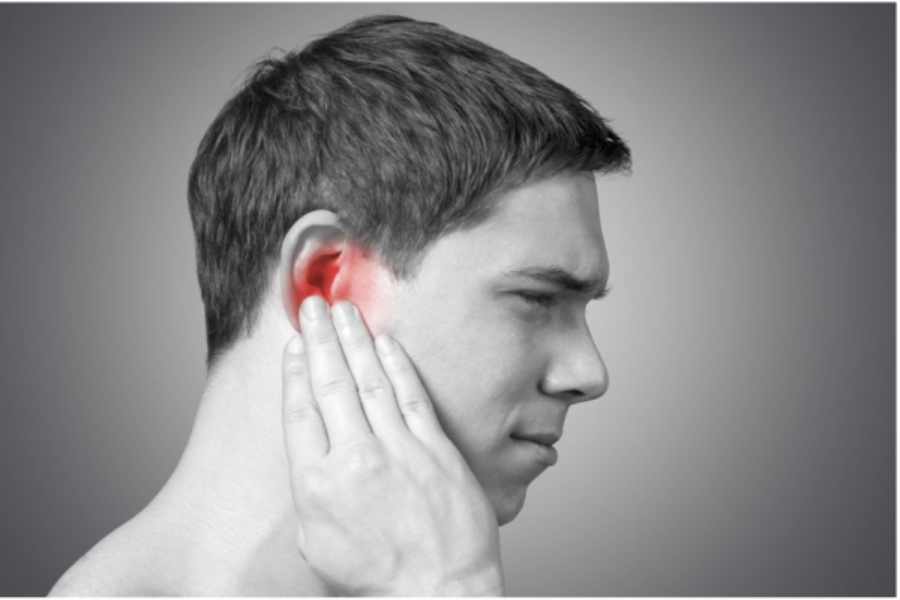
When your ears feel full or plugged, the first explanation that comes to mind is usually a recent flight, seasonal allergies, or a stuffy nose. These are common reasons, and most of the time they are correct. Still, plenty of patients ask the same question: why do my ears feel clogged if I haven’t been on a plane? If you have wondered what causes ear pressure besides air travel, you are not alone.
Many people with tinnitus hear a constant ringing or buzzing. Pulsatile tinnitus is different. Instead of a steady sound, it creates a rhythmic whooshing or thumping that follows your heartbeat. This article explains that connection and describes the point at which persistent ear pressure without infection should be evaluated.
When Ear Pressure May Be a Concern
Most ear pressure is short-lived. Ear popping during a drive up a mountain or a brief episode of ear fullness after a cold usually fades on its own within hours or days. This kind of pressure is your body adjusting to changes around you, and it rarely signals a problem. Clogged ears that clear after you yawn or swallow are a normal part of daily life and almost never need treatment.
If symptoms continue to persist or come back, the pattern changes. If you notice steady pressure with no apparent cause, it’s a good idea to pay attention to how it behaves. If you have any of the following signs, you might want to consider a professional evaluation:
- Persistent fullness in one ear
- Recurring ear pressure without congestion
- Dizziness or trouble keeping your balance
- A pulsing or whooshing sound inside the ear
Tracking how often these happen and what you were doing at the time can give your provider useful information during a visit. A short note on your phone after each episode is often enough. Details like which ear, how long it lasted, and whether other symptoms came with it can help your provider find a pattern faster.
Also Read: Ear Pressure and Ear Pain: Symptoms and Treatments
The Connection Between Blood Flow and Ear Symptoms
The inner ear is a delicate structure that depends on a steady supply of blood. The small vessels that feed this area deliver oxygen and nutrients to the parts responsible for hearing and balance. When that flow stays healthy, the system works quietly in the background, and you rarely think about it at all.
When circulation changes, the inner ear can become sensitive to the difference. Reduced or uneven blood flow may lead to pressure sensations, brief dizziness, or sounds that seem to come from inside the head. These symptoms don’t always mean something serious, but they help explain why some ear complaints aren’t really about the ear at all. Looking at circulation gives providers another way to understand symptoms that don’t respond to the usual care. This is one reason a provider may ask about your heart health or blood pressure during an ear visit.
Could Carotid Artery Disease Be a Factor?
The carotid arteries run along each side of your neck and carry blood to the brain. They are among the most important vessels in the body, and they sit close to the structures of the ear. Because of this location, changes in these arteries can sometimes affect nearby areas. Their position is part of why circulation and ear symptoms can overlap.
Over time, the carotid arteries can narrow as fatty deposits build up along their walls. This narrowing reduces the amount of blood that passes through and can change how blood flows near the ear. When flow is affected in this way, some people notice pressure along with other symptoms. The pressure alone is not a diagnosis, but it can be one piece of a larger pattern that a vascular specialist may want to review carefully. Risk factors such as high blood pressure, high cholesterol, and smoking can make this kind of narrowing more likely over the years.
Pulsatile Tinnitus: A Symptom Worth Discussing
Many people with tinnitus hear a constant ringing or buzzing. But in the case of pulsatile tinnitus, with this symptom, you hear a rhythmic sound in time with your heartbeat, and it is often described as a whooshing or thumping sound. It’s a different kind of ear noise than you are used to, because it beats in time with your pulse.
What makes pulsatile tinnitus different is that the sound follows the rhythm of your pulse. The sound is often related to blood moving through vessels near the ear and can be associated with changes in blood flow in those vessels. For some, it is more noticeable at night, when the room is quiet, and there is less noise to drown it out. If you have new or persistent pulsatile tinnitus, it’s best to talk with a specialist, especially if it occurs with pressure or fullness. An evaluation can help determine whether the cause is in the ear or in nearby blood vessels.
Other Symptoms That Shouldn’t Be Ignored
Ear pressure on its own is usually not an emergency. The situation is different when pressure appears alongside signs involving the brain or nervous system. These combinations warrant prompt attention because they may indicate a circulation problem that requires prompt care.
Seek medical help right away if ear pressure comes with any of the following:
- Sudden dizziness
- Vision changes
- Numbness in the face
- Weakness on one side of the body
- Trouble speaking
When these symptoms appear together, they may signal that blood flow to the brain is affected. Acting quickly gives medical teams the best chance to find the cause and respond before it progresses. It is always safer to be checked and reassured than to wait and hope the symptoms pass.
Also Read: When Recurrent Ear Problems Lead to Surgical Treatment
How a Vascular Evaluation Can Help
When ear symptoms don’t match a clear ear cause, a vascular evaluation can fill in the gaps. Providers use safe, noninvasive imaging to assess how blood flows through the carotid arteries and other vessels in the neck. These tests are comfortable, take little time, and give a clear view of whether circulation is part of the problem. Many patients can return to their normal day right after the appointment.
Finding a vascular issue early carries real value. Many conditions that affect blood flow respond well to treatment when caught early. Identifying a narrowed artery or a related concern early can lower the risk of more serious events later. A vascular team can also work alongside an ear specialist so that every possible cause is reviewed. For patients seeking chronic ear pressure treatment in Encino, this kind of evaluation can connect symptoms to a cause that might otherwise be missed.
Conclusion
Ear pressure is one of the most common complaints people bring to a clinic, and in many cases, it is harmless. Flying, ear congestion, and allergies causing pressure in the ears explain the majority of episodes, and these usually clear without treatment. The goal is not to worry about every popping or plugged sensation. The more useful approach is to notice when symptoms last longer than expected or arrive with dizziness, unusual sounds, or other warning signs.
Persistent or recurring symptoms often lead patients to wonder whether something beyond congestion, allergies, or recent travel could be contributing to the pressure. For some, the answer is yes, and understanding the possible link to blood flow can guide them toward the right care. When symptoms don’t resolve on their own, a professional evaluation offers both clarity and a clear path forward.
Have your ear symptoms lasted longer than they should, or come with a whooshing sound you can’t explain? Dr. Alen Cohen and his team at C/V ENT Surgical Group can assess whether circulation in your neck and head is contributing and help you find answers. Reach out to our West Hills or Encino office today to book your evaluation.